Basement Waterproofing in Murfreesboro, TN
A wet basement after every heavy rain points to drainage, cracks or water pressure in the soil. Our basement waterproofing crew in Murfreesboro, TN tracks where the water gets in, then fixes it inside, outside or both.
Call now: (615) 821-1402- Water where the wall meets the floor
- White chalky deposits on walls (efflorescence)
- Damp or peeling paint on block walls
- Musty smell or damp carpet
- A sump pump that runs constantly, or not at all
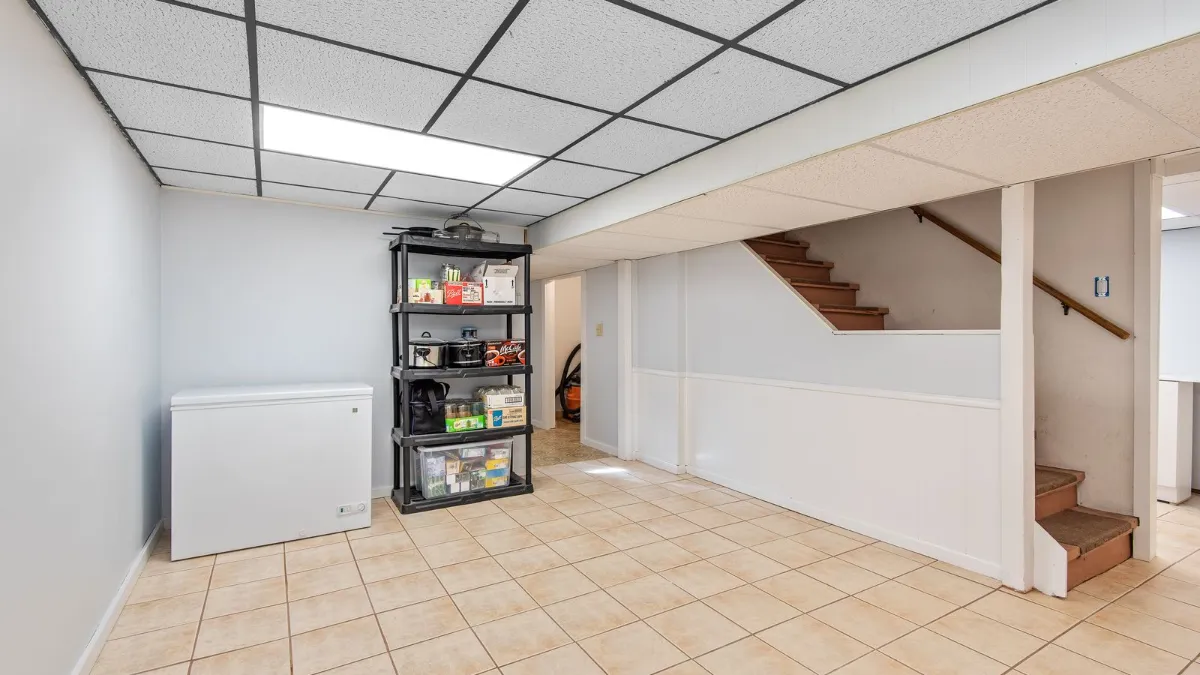
Why water gets into basements here
Most basement water starts with rain that collects next to the foundation. Clay soil around Murfreesboro drains slowly, so after a heavy storm the soil against the wall stays saturated and pushes water through the easiest path: the joint where the wall meets the floor, cracks, tie holes in poured walls, or the hollow cores of block walls.
Gutters that overflow, downspouts that empty right at the wall and soil that slopes toward the house make it worse. That’s why every visit starts outside, with the gutters and grading, before anyone talks about drains or pumps.
Interior drains and sump pumps
An interior drain system catches water as it comes in. A channel is cut along the edge of the basement floor, a perforated pipe is laid in gravel, and the water runs to a sump pit where a pump sends it outside and away from the house. A dimpled membrane on the walls directs seepage down into the drain. It doesn’t stop water reaching the wall, but it controls it so the basement stays dry.
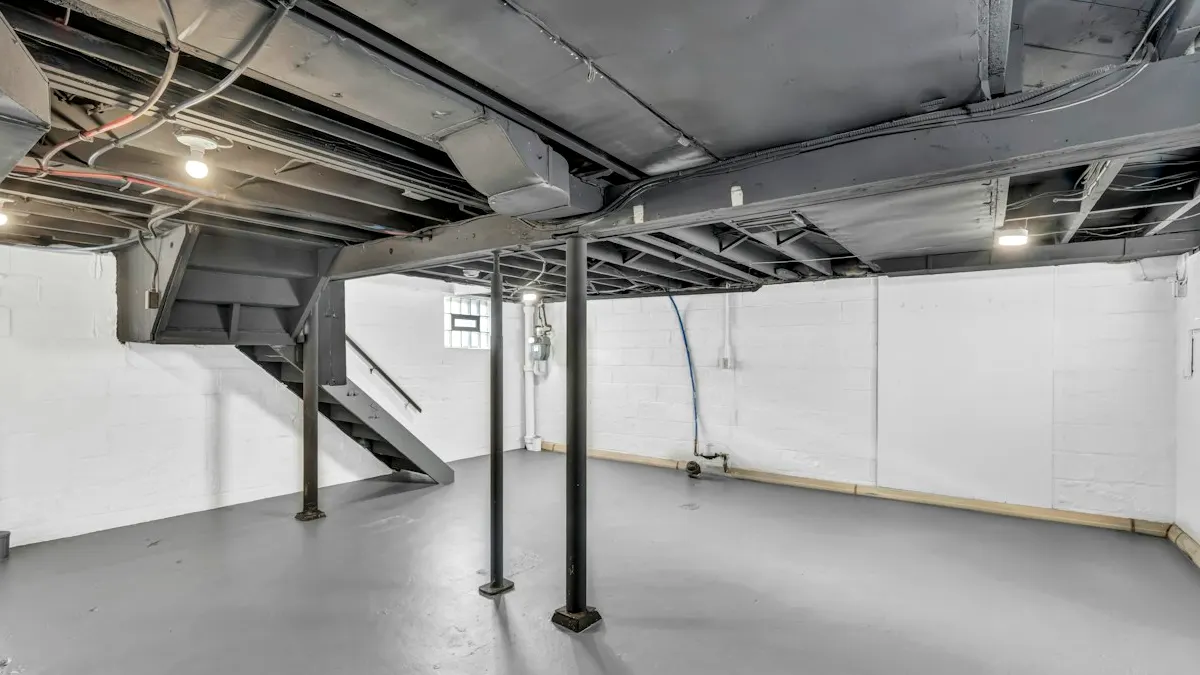
The pump is the heart of it. We look at pump size, the check valve, where the discharge line ends (it should carry water well away from the foundation) and whether a battery backup makes sense, because storms that cause flooding are the same storms that knock power out.
Exterior foundation waterproofing and grading
Exterior waterproofing stops water at the outside of the wall: the soil is dug down to the footing, the wall is cleaned and coated with a waterproof membrane, and a footing drain is laid to carry water away. It’s the most complete fix, and the most disruptive, because porches, walks and landscaping are in the way.
Often the cheapest improvement is above ground: gutters sized and cleaned, downspouts extended or piped underground, and soil regraded so it falls away from the house.
Sump pump installation and upkeep
A pump has to keep up with the worst storm of the year, not an average day. Pump capacity, the height it has to lift water and the length of the discharge line all matter. A submersible pump with a sealed lid is quieter and keeps humidity and debris out of the pit. A battery backup, or a second pump, covers power outages and pump failure, which tend to happen on the same night.
Test it every few months by pouring a bucket of water into the pit and watching it switch on and empty; if it doesn’t, this sump pump troubleshooting guide covers the usual causes. Keep the discharge line clear, and make sure it ends well away from the house so the water doesn’t drain straight back into the soil against the wall.
Dehumidifying a basement
Even a basement that never floods can feel damp in a Tennessee summer. Humid outside air meets cool basement walls and condenses, so stored boxes, drywall and carpet stay clammy. A properly sized dehumidifier, drained to the sump or a floor drain so it doesn’t need emptying, keeps humidity in check and protects anything stored or finished down there.
Wall cracks that leak
A single leaking crack in a poured wall is usually sealed by injection from the inside. If a crack is horizontal, or the wall is bowing, it’s a structural problem first and a water problem second. That needs foundation repair before waterproofing.
Interior vs exterior: which fits?
| Interior drain + sump | Exterior membrane + drain | Grading + gutters | |
|---|---|---|---|
| What it does | Collects water that gets in and pumps it out | Keeps water off the wall | Keeps rain away from the foundation |
| Disruption | Inside the basement only | Excavation around the house | Yard and gutter work |
| Best for | Floor-wall joint leaks, high water pressure | Wall seepage, finished basements | Leaks only in heavy rain on one side |
What sets the scope of basement waterproofing
- How many walls leak, and where
- Poured vs block walls
- Finished vs unfinished basement
- Access outside: driveways, patios, landscaping
- Whether there’s structural movement too
Basement waterproofing FAQ
What should a waterproofing contractor check first?
Gutters, downspouts and grading outside; where and when the water appears inside; whether the walls are poured or block; and whether there is any structural movement. Recommending a system before looking at all four is a red flag.
Does waterproofing paint work?
On a damp wall with light seepage it can help. It won’t hold back water under pressure, and it peels if water keeps coming through.
How long does an interior drain take to install?
Most basements take one to three days, depending on the length of wall and how the floor is finished.
My basement already flooded. What first?
Get the water out and the space dried before mold starts; that’s water damage restoration. Then fix the cause.
Call and tell us where it’s coming in.