Mold Inspection and Testing in Murfreesboro, TN
A musty smell, a stain that keeps coming back or allergy symptoms at home are good reasons for mold testing. Every mold inspection in Murfreesboro, TN starts with the house itself; samples come only where they’ll tell you something useful.
Call now: (615) 821-1402- You smell mold but can’t find it
- There was a leak and you’re not sure it dried
- You’re buying, selling or renting a home
- You want proof remediation worked
- Symptoms ease when you leave the house
Inspection comes before sampling
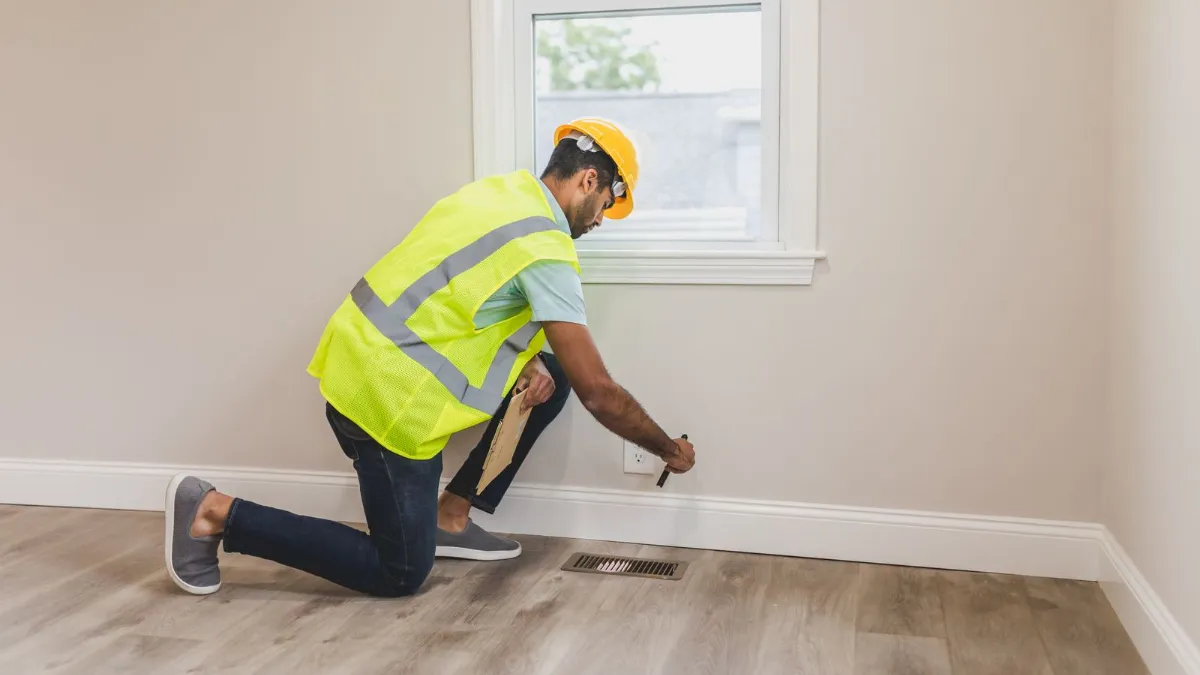
A lab result on its own can’t tell you where mold is growing or why. That’s why every visit starts with an inspection: we follow the smell and the moisture. A moisture meter and thermal camera find damp spots behind drywall, under flooring and around windows. We look in the crawl space or basement, the attic, under sinks, around the water heater and at the HVAC system, the places mold usually starts.
If we find visible growth and a clear moisture source, you may not need lab samples at all. Sampling earns its cost when the source is hidden, when you need documentation, or when you want to confirm an area is clean after remediation.
Air samples vs surface samples
| Air samples | Surface samples (swab or tape) | |
|---|---|---|
| What it shows | Spore levels in the air, compared with an outdoor sample | What’s growing on one specific spot |
| Best for | Hidden mold, smell with no visible growth, clearance after remediation | Identifying a visible stain or growth |
| Limits | A snapshot in time; levels change with activity and weather | Says nothing about the rest of the house |
Reading the lab report
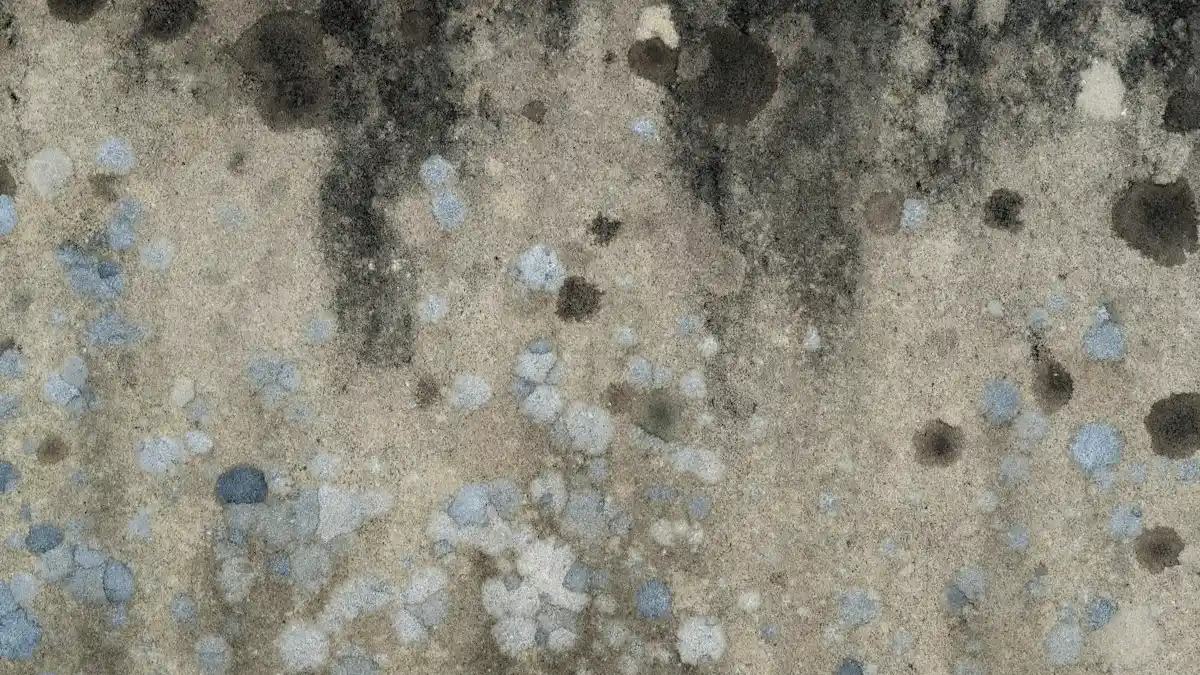
Air reports list spore types and counts for each indoor sample next to the outdoor control. The main thing to look for is whether indoor counts are clearly higher than outdoors, or whether a type that’s rare outside, like Stachybotrys or Chaetomium, shows up inside. Both point to growth in the house. There’s no single federal “safe level” for indoor mold, so results are read by comparison, and we explain them in plain words rather than handing you a page of numbers.
Testing for buyers, sellers and renters
In a home sale, a mold inspection gives both sides facts instead of guesses. Buyers get to know whether a musty smell or old stain is an active problem; sellers can fix and document an issue before it surfaces in the buyer’s inspection. Landlords and tenants use testing the same way, to settle whether there’s a problem and whether a repair worked. In each case, the report is only as useful as the inspection behind it, so we note where samples were taken and why.
Post-remediation clearance
After mold remediation, a clearance check confirms the work area is clean before walls are closed up: a visual inspection for remaining growth and debris, moisture readings showing materials are dry, and often air samples inside the work area compared with outdoors. Passing clearance before rebuild is what keeps mold from being sealed behind new drywall.
What the results mean for your home
Indoor levels similar to outdoors, no water-damage types: no sign of a hidden problem. Keep humidity in check and watch for leaks.
Elevated levels or water-damage types in one area: there’s growth nearby. The next step is finding and fixing the moisture, then mold remediation for the affected area.
Elevated levels throughout the house: often points to a crawl space, attic or HVAC source spreading spores through the air handler.
What an inspection covers
- Moisture readings and thermal imaging of suspect areas
- Crawl space or basement, attic, HVAC and plumbing checks
- Humidity readings room by room
- Air and/or surface samples where they add value
- A plain-language summary of findings and next steps
Mold testing FAQ
Is mold testing worth it?
When mold is hidden, when you need proof for a sale or lease, or after remediation, yes. If you can already see the mold, money is better spent removing it.
How long do results take?
Labs usually return results in a few business days; faster turnaround is often available.
Are home mold test kits accurate?
Settle-plate kits almost always grow something, because spores are everywhere. Without an outdoor comparison they can’t tell you whether you have a problem.
Call and we’ll help you find it.