Water in Your Crawl Space After Rain: What’s Normal and What Isn’t
Damp soil for a day after a downpour is common. Standing water, water that’s still there days later, or water after every rain is not, and it slowly damages the floor framing above it.
Updated November 2026 · 5 min read
Normal or a problem?
| What you see | What it means |
|---|---|
| Damp soil that dries within a day or two | Usually fine; check gutters and grading |
| Puddles after heavy rain only | Water draining toward the house; fix outside drainage |
| Standing water after most rains | Needs drainage and likely a sump pump |
| Water with no rain at all | Suspect a plumbing leak; check the meter |
| Wet wood, sagging insulation, musty smell | Moisture has been there a while; check for mold |
Where the water comes from
Surface water is the usual cause: clogged gutters, short downspouts, or soil that slopes toward the foundation. Groundwater rises through the floor of the crawl space when the clay soil common around Murfreesboro is saturated. Plumbing leaks look the same but don’t line up with the weather; if the water meter moves with every tap closed, it’s a pipe. Condensation drips from cold ducts and pipes in humid summers and can puddle on the vapor barrier.
How to dry out a crawl space
- Find and stop the source first, or the space will just get wet again.
- Remove standing water with a utility pump or wet-vac. Watch for wiring and don’t go in if there’s water near electrical boxes.
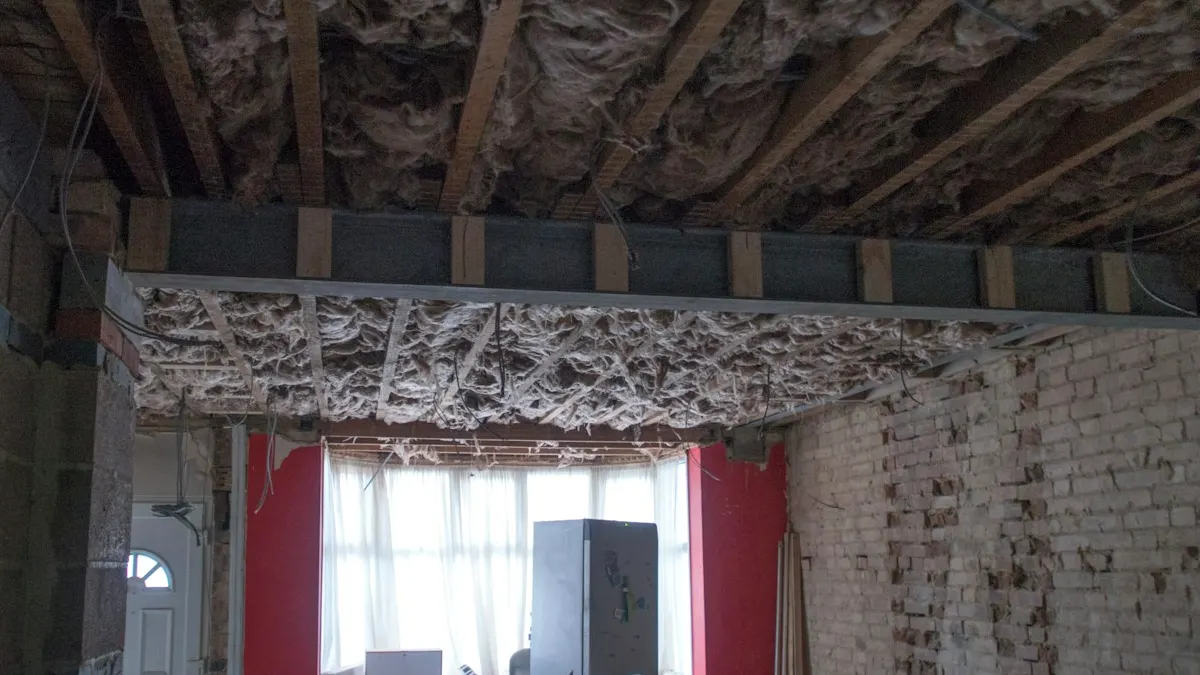
- Pull down wet insulation. Soaked fiberglass holds water against the subfloor and won’t recover.
- Dry the air with a dehumidifier made for crawl spaces and fans. Venting with outside air in summer adds moisture instead of removing it.
- Check the wood with a moisture meter before closing anything up, and look for mold on joists and the subfloor.
Will a crawl space dry out on its own?
Slowly, if the source stops. But in a Middle Tennessee summer the outside air coming in through the vents is often more humid than the crawl space, so it can stay damp for weeks. Wood that stays damp grows mold and eventually softens.
When it needs a professional
If water collects after most rains, the fix is drainage under the house: a perimeter drain to a sump pump, then a sealed liner and dehumidifier so the space stays dry. Read how crawl space encapsulation and waterproofing works. If the water came from a broken pipe, the space needs to be dried quickly, the same as any burst pipe.
Crawl space water questions
Is it okay for a crawl space to be wet?
Not for long. Standing water and constantly damp air lead to mold, rotting joists, sagging insulation and a musty smell in the house above.
Can water in the crawl space damage the foundation?
Repeated saturation can soften the soil under footings and piers, which lets them settle. More often it’s the wood framing that suffers first.
Should I close the crawl space vents?
In winter, closing them helps protect pipes from freezing. Sealing them year-round only works as part of a sealed, dehumidified crawl space.
Is a vapor barrier enough?
A ground barrier stops moisture rising from the soil but does nothing about standing water. Drainage comes first.