Mold Remediation Cost: By Size and Location
Professional mold remediation usually costs $1,200 to $3,750, with a national average around $2,300. Small contained areas can be a few hundred dollars; whole-house jobs can reach $10,000 to $30,000.
Updated November 2026 · 6 min read
These are national price ranges for education only. They are not a quote or a promise of what any company will charge for your home.
Cost by size of the affected area
Remediation averages about $10 to $25 per square foot of mold-affected area nationally, according to This Old House’s 2026 cost data:
| Affected area | Typical range |
|---|---|
| 50 sq ft | $500 to $1,250 |
| 100 sq ft | $1,000 to $2,500 |
| 200 sq ft | $2,000 to $5,000 |
| 500 sq ft | $5,000 to $12,500 |
| 1,000 sq ft | $10,000 to $25,000 |

Cost by where the mold is
| Location | Typical range | Why |
|---|---|---|
| Bathroom | $500 to $1,000 | Small area, hard surfaces |
| Crawl space | $500 to $2,000 | Tight access, framing to treat |
| Basement | $500 to $3,000 | More if drywall or carpet comes out |
| Attic | $1,000 to $4,000 | Large roof deck area, ventilation fixes |
| HVAC system and ducts | $3,000 to $10,000 | Equipment cleaning or replacement |
| Whole house | $10,000 to $30,000 | Multiple rooms, removal and rebuild |
Why mold remediation is expensive
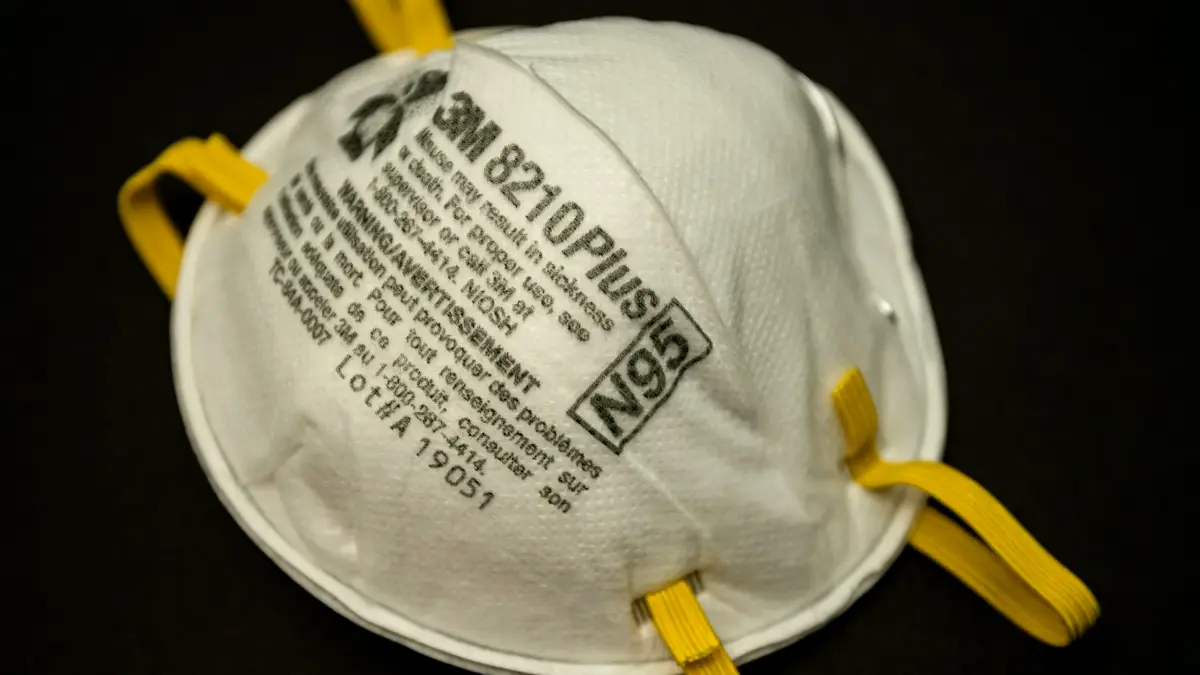
Most of the cost is the work around the mold, not the cleaning itself. The area is sealed off under negative air pressure so spores don’t spread, workers wear protective gear, moldy porous materials are bagged and removed, framing is cleaned, and the air is filtered before rebuilding. Then drywall, insulation and flooring that came out have to go back in.
Does black mold cost more to remove?
The species matters less than the amount and what it’s growing on. Removal follows the same containment and cleaning method for any mold. What raises the price is a large area, mold inside walls or ducts, and how much material has to be replaced.
What isn’t in the remediation price
- Fixing the moisture source: a roof leak, plumbing leak, poor drainage or a damp crawl space. Without it, the mold returns.
- Testing: an inspection before and clearance testing after are usually separate; see what mold testing costs.
- Rebuilding: new drywall, insulation, paint and flooring after removal.
Does insurance cover mold remediation?
Usually only when the mold came from a covered sudden event, such as a burst pipe, and was dealt with promptly. Mold from long-term humidity, slow leaks or flooding is typically excluded, and many policies cap mold payouts.
When it needs a professional
A patch smaller than about 10 square feet on a hard surface is often a DIY job with gloves, a mask and detergent. Larger areas, mold in walls, ducts or the crawl space, or mold after sewage or flooding should be handled by a crew. See how mold remediation works step by step.
Mold cost questions
Why is mold remediation so expensive?
Containment, air filtration, protective equipment, removal and disposal of materials, and rebuilding all add up. The cleaning is a small part of the bill.
Can mold be fully removed from a house?
Mold growth can be removed and the house returned to normal levels, but mold spores exist everywhere outdoors and indoors. Keeping it from coming back means keeping things dry.
What exactly is mold remediation?
It’s the process of containing, removing and cleaning mold growth and the materials it damaged, then confirming the area is clean before rebuilding.
Can I remove mold myself to save money?
Small surface spots, yes. Disturbing a large patch without containment spreads spores through the house and can make the job bigger.