Sewage Cleanup in Murfreesboro, TN
A sewer backup or overflowing toilet isn’t a mop-and-fan job. Our sewage cleanup crew in Murfreesboro, TN removes the contaminated water and materials, cleans and sanitizes what stays, and dries the structure.
Call now: (615) 821-1402Until we arrive
- Keep children and pets out of the area
- Stop using sinks, toilets and the washer
- Don’t run fans or the HVAC to “air it out”
- Wear gloves and boots if you must go in
- Photograph the damage for insurance
Why sewage is handled differently
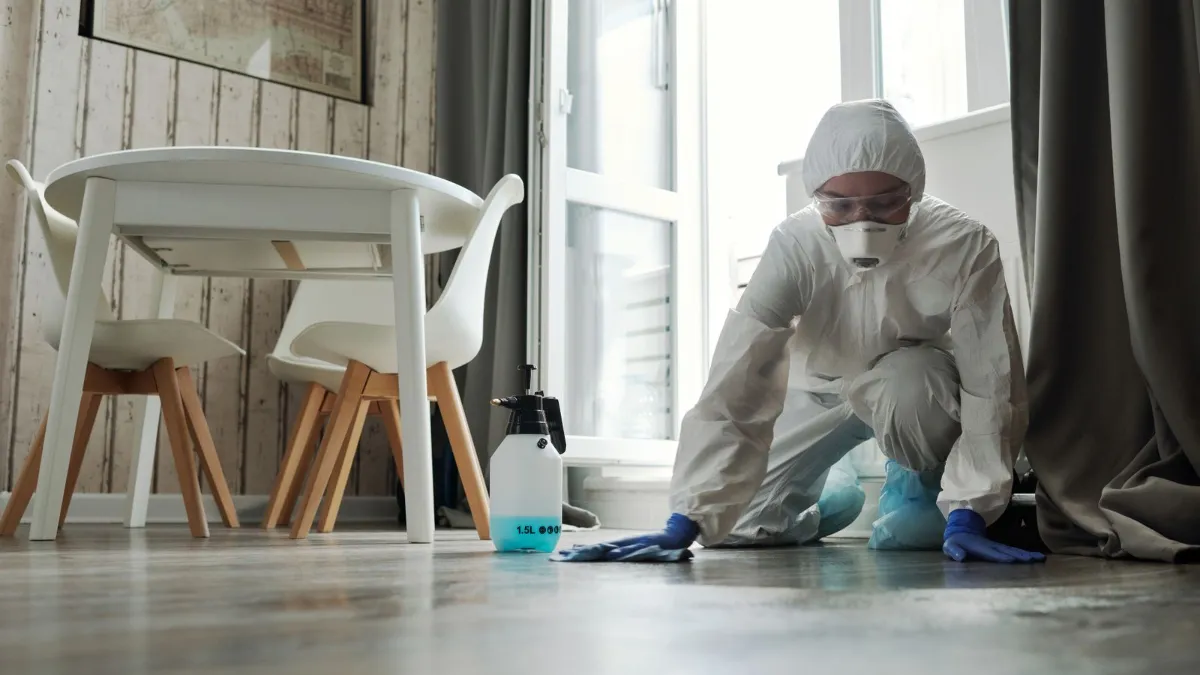
Sewage is Category 3 water: it carries bacteria and viruses. Clean water from a burst pipe can often be dried in place; sewage can’t. Porous materials it soaked, like carpet and pad, drywall, insulation and upholstered furniture, are removed and bagged. Hard surfaces are cleaned and disinfected, then everything is dried and checked before rebuild.
Common causes of a sewage backup
Main line clogs from grease, wipes or tree roots send sewage up through the lowest drain in the house, often a basement floor drain or a ground-floor shower. Heavy storms can overload sewer lines. Toilet overflows are smaller but the water is still contaminated, especially if it soaks into a subfloor or the ceiling below. Once the cleanup is done, have a plumber clear and camera the line so it doesn’t happen again.
How we clean up sewage
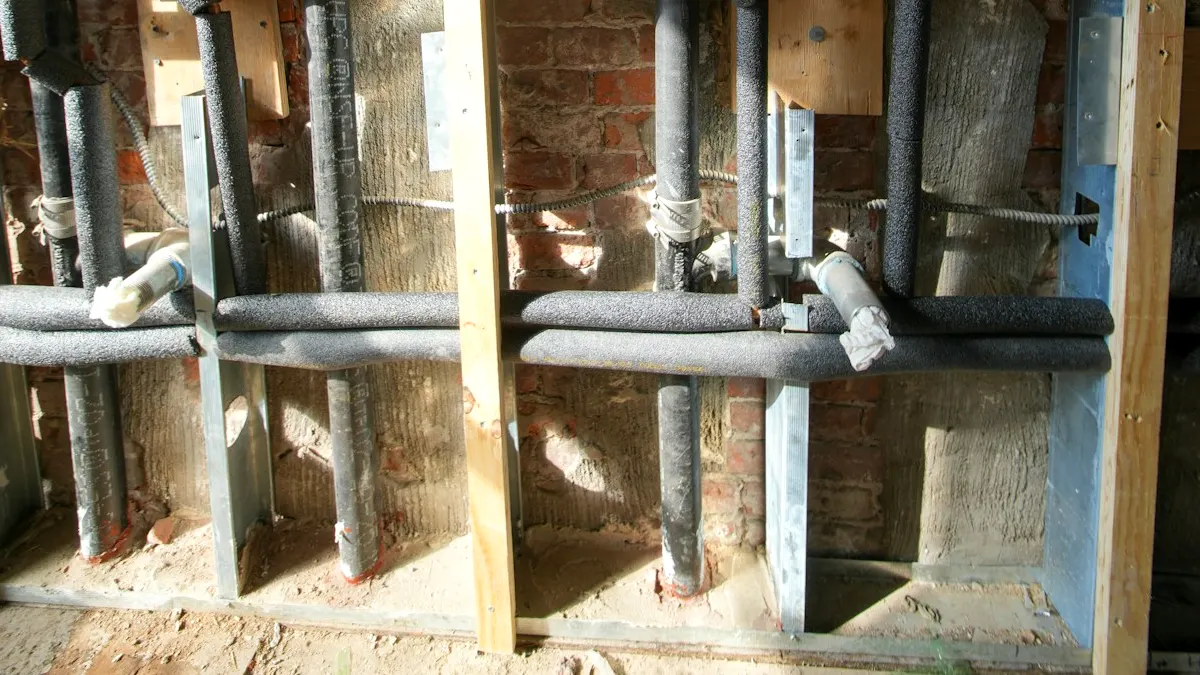
- Protect and contain. The area is sealed off so contamination isn’t tracked through the house.
- Extract. Sewage and solids are pumped and extracted.
- Remove. Contaminated porous materials are cut out and disposed of.
- Clean and disinfect every hard surface the water touched.
- Dry and verify with moisture readings before anything is rebuilt.
Preventing the next backup
- Don’t flush wipes, even “flushable” ones, or pour grease down the drain.
- Have the main line cleared and checked with a camera if drains gurgle or back up more than once.
- Ask a plumber about a backwater valve if your lowest drain sits below street level.
- Know where your sewer cleanout is so a plumber can get to it quickly.
What can be saved
| Item | Usually saved | Usually removed |
|---|---|---|
| Flooring | Tile, sealed concrete, vinyl | Carpet and pad, laminate |
| Walls | Studs and framing (cleaned, dried) | Drywall and insulation below the water line |
| Belongings | Metal, glass, hard plastic | Mattresses, upholstery, paper, stuffed toys |
Insurance and sewer backups
Many standard homeowners policies exclude sewer and drain backup unless you added a backup endorsement. Check your policy, report the claim quickly and keep photos of everything before it’s removed.
Questions about sewer backups
Is it safe to clean it up myself?
A small toilet overflow on tile can be cleaned with gloves and disinfectant. Anything that soaked carpet, drywall or a subfloor, or came up through a floor drain, should be handled by a crew. See toilet overflow cleanup for the small-spill steps.
How long does sewage cleanup take?
Removal and disinfection usually take a day or two; drying takes several more. Rebuild comes after.
Can I stay in the house?
Usually, if the affected area is sealed off and you have a working bathroom. With a large backup or vulnerable people in the house, staying elsewhere is safer.
Stop using the drains and call.