Mold Remediation in Murfreesboro, TN
Mold comes back unless the moisture behind it is fixed. Our mold remediation and mold removal work in Murfreesboro, TN starts with the source, then containment, removal and cleaning, so the problem is gone, not painted over.
Call now: (615) 821-1402- An earthy, stale odor that returns after cleaning
- Black, green or white spots that spread
- Stains after a past leak or flood
- Peeling paint or warped drywall
- Allergy-like symptoms that ease when you leave the house
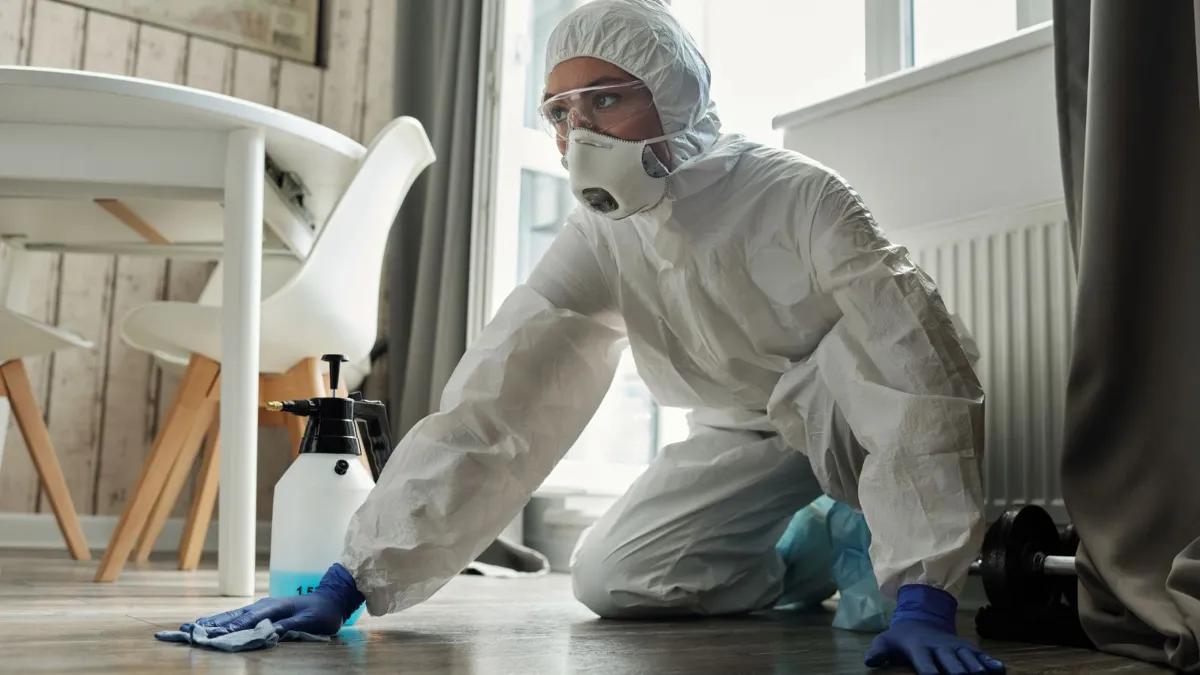
Mold needs three things: spores, which are in every home; something to eat, like drywall paper, wood or dust; and moisture. You can’t remove the spores or the food, so remediation is really about two jobs. One is removing the growth that’s already there without spreading it through the house. The other is fixing the moisture so it doesn’t grow back. Middle Tennessee’s humid summers make the second part matter even more.
Black mold and what it means
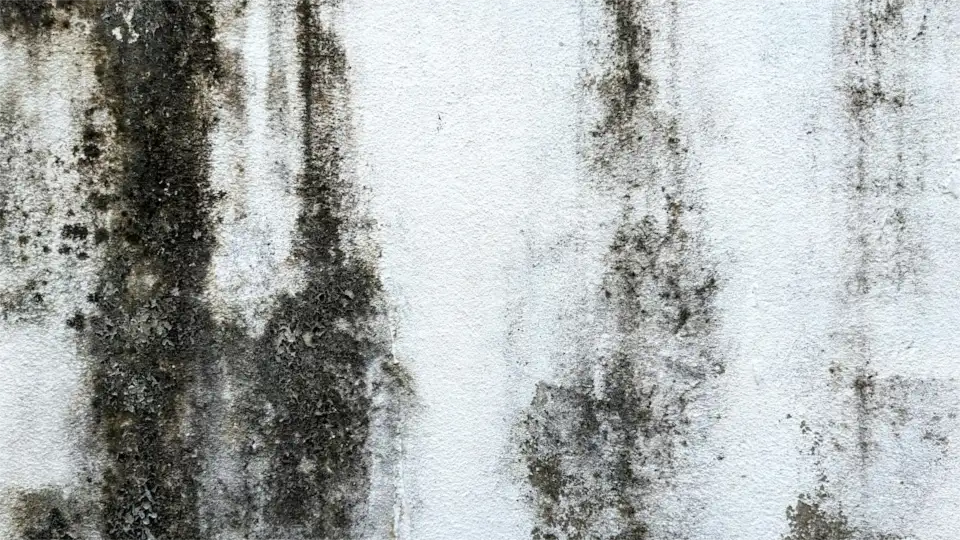
“Black mold” usually means Stachybotrys, which grows on material that has stayed wet for a long time, such as drywall behind a slow leak. But color doesn’t tell you the species, and many common molds are dark. Whatever the type, mold growing indoors should be removed and the moisture fixed; the approach is the same.
Where mold grows in Murfreesboro homes
Crawl spaces. Humid outside air and damp soil make crawl spaces the most common spot. Growth on joists and subfloor is usually noticed first as an odor in the rooms above. Long-term, the fix is a sealed, dehumidified crawl space.
Basements. Water seeping through walls and floors keeps carpet, drywall and stored boxes damp. Stopping the water comes before rebuilding.
Attics. Bathroom fans vented into the attic, roof leaks and poor ventilation leave mold on roof sheathing, often found only when a roof is replaced.
After water damage. Leaks that weren’t dried properly are the classic cause. If you’ve just had a leak, drying it out fast is the best mold prevention there is.
How we remediate mold
- STEP 1Find the moistureMoisture meter and thermal camera to find what’s feeding the mold and how far the growth goes.
- STEP 2Contain the areaPlastic sheeting and negative air pressure keep spores from spreading to clean rooms while work is done.
- STEP 3Filter and removeHEPA air scrubbers run throughout. Moldy drywall, insulation and carpet are bagged and removed; wood is cleaned or sanded.
- STEP 4Clean, dry and confirmHEPA vacuuming and cleaning of what stays, drying to normal readings, and a visual check before anything is rebuilt.
Mold cleanup you can do yourself, and what you shouldn’t
Surface mildew or a small patch of mold on a hard surface, like a bathroom tile corner or a window sill, can usually be cleaned with detergent and water while wearing gloves and an N95 mask. The EPA’s mold guidance treats areas under about 10 square feet as something a homeowner can often handle.
Leave it to a remediation crew when the growth is larger than that, when it’s inside walls or in HVAC ducts, when it came from sewage or flood water, or when anyone in the house has asthma or a weakened immune system. Don’t spray bleach on drywall or wood: it doesn’t reach the roots in porous material and adds moisture.
Mold in HVAC systems and ductwork
When the musty smell gets stronger every time the air kicks on, look at the air handler, the drain pan and the ducts, especially ducts running through a damp crawl space or attic. Condensation on cold ducts in humid air is a common source. Cleaning the coil and pan, fixing the drain and sealing or insulating sweating ducts is part of the job; otherwise the system spreads spores through every room.
What gets removed and what gets cleaned
Porous materials with mold growing in them, like drywall, ceiling tiles, insulation and carpet pad, are cut out and bagged inside the containment. Semi-porous materials like framing lumber and subfloor are cleaned, HEPA vacuumed and sanded where growth has stained the surface. Hard surfaces such as metal, glass and tile are cleaned and kept. The aim is physical removal; spraying a chemical over mold and leaving it in place is not remediation.
Keeping mold from coming back
- Keep indoor humidity under about 50 to 60 percent; a cheap hygrometer tells you where you are.
- Run bathroom fans during and after showers, vented outside, not into the attic.
- Fix leaks and dry wet materials within 24 to 48 hours.
- Keep gutters clear and soil sloped away from the house.
- Check the crawl space or basement once a season for water or a musty smell.
When testing helps
If you can see mold, you don’t need a test to know it’s there: you need it removed. Testing earns its keep when there’s an odor with no visible growth, after remediation to confirm the area is clean, or when a buyer or landlord needs documentation. Our mold inspection and testing page explains air versus surface samples.
What drives the size of a mold job
| Factor | Smaller job | Bigger job |
|---|---|---|
| Area affected | One wall section | Several rooms or a whole crawl space |
| Material | Hard surfaces, framing | Drywall, insulation, carpet to remove |
| Location | Open room | Attic, ducts, tight crawl space |
| Moisture source | Already fixed | Ongoing leak or drainage problem |
Mold remediation FAQ
How long does mold remediation take?
A contained area in one room often takes one to three days. Crawl spaces and attics take longer, and rebuild comes after the area is dry and clean.
Can I stay home during mold removal?
Usually yes, because the work area is sealed off and under negative pressure. People with asthma or allergies may want to stay away from that part of the house until it’s done.
What should a mold removal company do first?
Find the moisture source and map how far the growth goes, then set up containment before anything is torn out. A company that only sprays or fogs without removing growth or fixing the moisture is covering the problem, not removing it.
Will mold come back?
Not if the moisture is fixed. Mold that returns almost always means a leak, high humidity or a drainage problem is still there.
Does painting over mold work?
No. Paint and “mold-killing” primers cover the stain while the growth continues behind it.
Related services
Call and tell us where you’re seeing it.