Toilet Overflow Cleanup: Stop It, Clean It, Know When to Call
Lift the tank lid and push the flapper down, then turn the supply valve behind the toilet clockwise to stop the water. How you clean up next depends on whether the water was clean tank water or came from the bowl.
Updated November 2026 · 5 min read
Stop the overflow
- Close the flapper. Take the lid off the tank and press the rubber flapper at the bottom down over the drain hole. Lift the float to stop the tank filling.
- Turn off the supply valve on the wall behind the toilet, clockwise. If it won’t turn, shut off the main water valve.
- Don’t flush again. If the bowl doesn’t drain, the clog is still there.
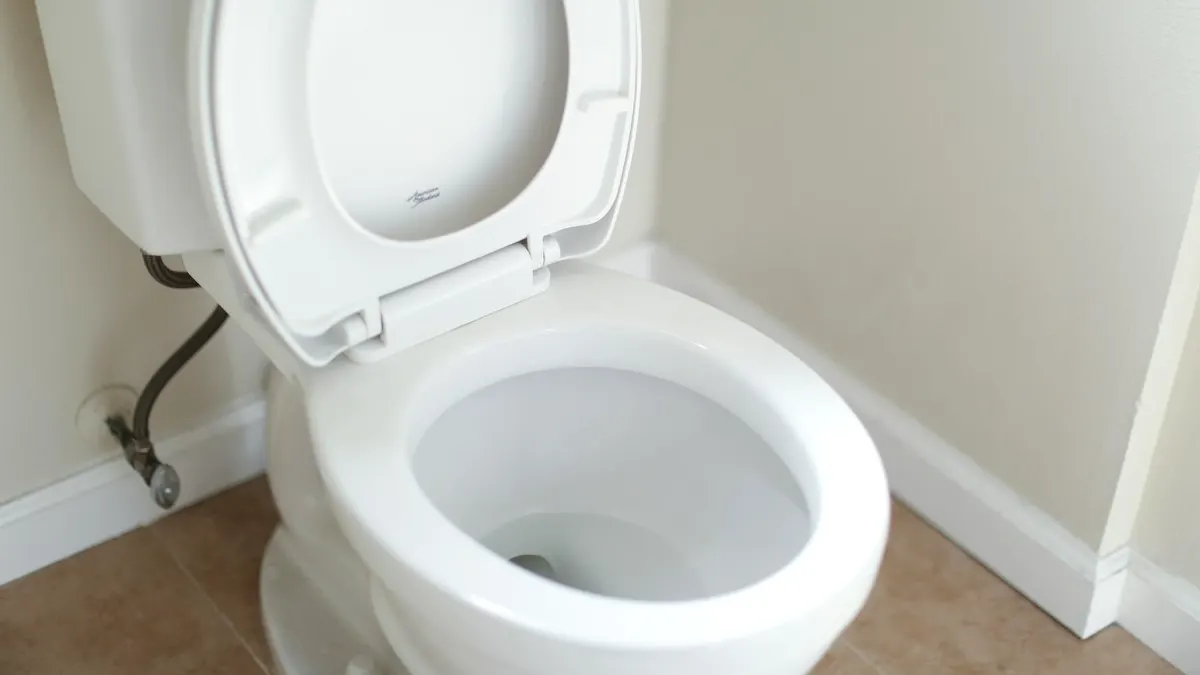
Is the water clean or contaminated?
The IICRC S500, the industry standard for water damage, classes water by contamination. Water that overflowed from the tank is clean. Bowl water is treated as gray water at minimum, and as black water, the most contaminated category, if it contains feces or came up from the sewer line.
| Where it came from | Category | Can you clean it? |
|---|---|---|
| Tank or supply line | Clean | Yes; dry it fast |
| Bowl, urine only | Gray | Yes on hard floors, with gloves and disinfectant |
| Bowl with feces, or several drains backing up | Black | Only small spills on tile; otherwise call a crew |
How to clean up a small overflow on a hard floor
- Protect yourself: rubber gloves, old shoes or boots, and keep kids and pets out.
- Remove the water with old towels or a wet-vac. Bag soiled towels and wash them hot, separately, or throw them out.
- Clean, then disinfect. Wash the floor, the base of the toilet and the lower walls with soap and water first, then apply a household disinfectant and leave it wet for the contact time on the label.
- Never mix bleach with ammonia or other cleaners; the fumes are toxic.
- Dry the room with a fan and check the edges of the floor and the baseboards for water that ran underneath.
Check for hidden water
Bathroom water runs under vinyl and tile edges, behind baseboards and through the subfloor. A stain or drip on the ceiling below, a soft spot by the toilet, or a smell that comes back days later means water got into the structure. Wet subfloor and drywall don’t dry on their own fast enough to prevent mold.
Why it overflowed
Most overflows are a simple clog from too much paper or something that shouldn’t be flushed, including “flushable” wipes. If the toilet overflows when you run the washer or shower, or other drains gurgle, the blockage is in the main line. Call a plumber before using the drains again.
When it needs a professional
Call a crew if sewage soaked carpet, came through the ceiling below, ran under flooring, or came up from more than one drain. Contaminated porous materials have to be removed, not just cleaned. See how sewage cleanup works.
Toilet overflow questions
Is toilet overflow water dangerous?
Water from the bowl can carry bacteria and viruses, especially with feces in it. Wear gloves, keep children and pets away, and wash your hands well afterward.
Can toilet water damage the ceiling below?
Yes. It runs through the subfloor quickly. A stain or sag on the ceiling below means the drywall and insulation are wet and may be contaminated.
Does insurance cover a toilet overflow?
Sudden overflows are often covered under water damage. Damage from repeated leaks, or a sewer line backup without a backup endorsement, may not be.
Can I just shampoo the carpet?
Not for bowl water. Carpet pad soaks it up and can’t be disinfected; contaminated carpet and pad are normally removed.