Crawl Space Encapsulation and Waterproofing in Murfreesboro, TN
Standing water, musty air or sagging floors start under the house. Our crawl space encapsulation crew in Murfreesboro, TN dries the space, seals it and keeps it dry, so the rooms above stop smelling damp.
Call now: (615) 821-1402- Musty smell in the rooms above
- Standing water or mud after rain
- Soft, bouncy or sagging floors
- Insulation falling from the joists
- Mold on joists or the subfloor
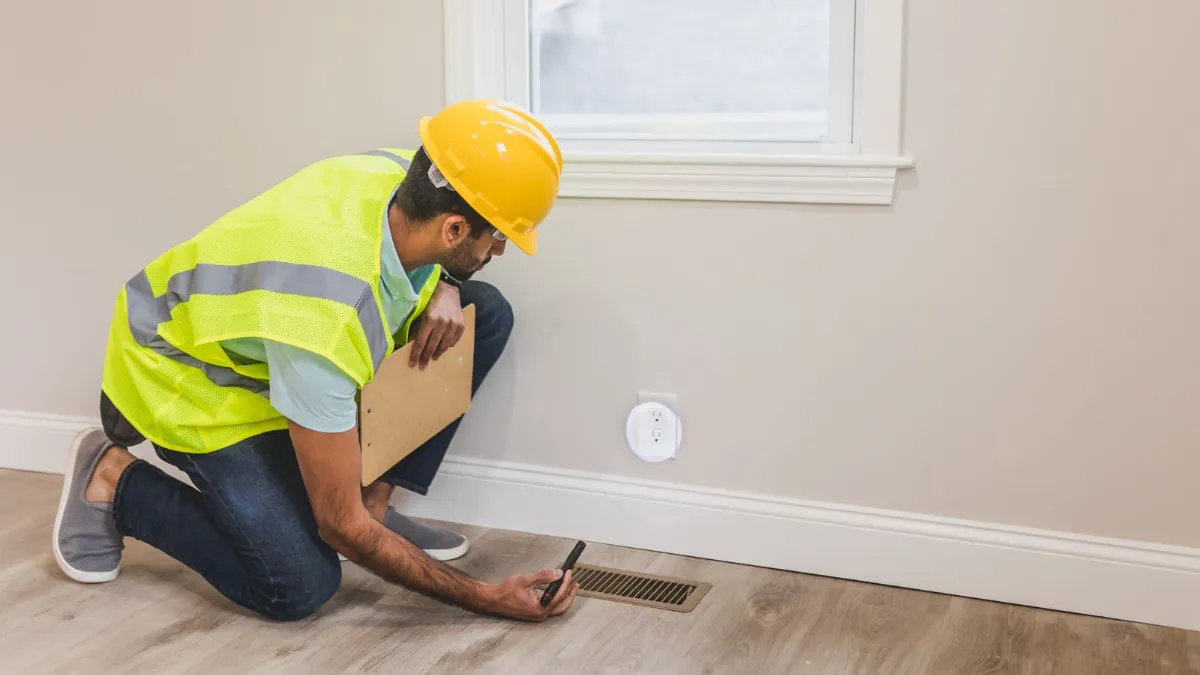
Why crawl spaces get wet in Middle Tennessee
A vented crawl space was meant to dry out by letting outside air through. In a humid summer it does the opposite: warm, damp air comes in through the vents, meets the cooler ground and ductwork under the house, and condenses. Add bare soil giving off moisture and rain that drains toward the foundation, and the space stays damp for months.
That moisture doesn’t stay underneath. Air rises from the crawl space into the house, which is why a damp crawl space shows up as a musty smell in the bedrooms, higher humidity and cupping wood floors.
Standing water and drainage
Crawl space waterproofing starts with drainage. If water pools under the house after rain, that comes first: the water is removed, soggy insulation comes down and the space is dried. Then the source gets fixed: gutters and grading outside, and inside, a perimeter drain to a sump pump if water comes up through the soil or seeps through the foundation walls. Encapsulating over standing water only traps it. (Not sure if yours is a problem? See what’s normal after rain.)
Vapor barrier vs full encapsulation
| Ground vapor barrier | Full encapsulation | |
|---|---|---|
| What it is | Plastic sheeting laid over the soil | Heavy liner over the floor and up the walls, seams taped, vents sealed |
| Moisture from the ground | Mostly blocked | Blocked |
| Humid outside air | Still comes in through vents | Kept out; air is dehumidified |
| Best for | Dry, well-drained crawl spaces | Musty, humid or mold-prone crawl spaces |
Dehumidifiers
A sealed crawl space still needs its humidity controlled. A crawl space dehumidifier, sized for the space and drained to the sump or outside, holds relative humidity in a safe range so wood stays dry and mold can’t grow. Some setups use a small supply of conditioned air from the HVAC system instead; we look at the space and the system before recommending either.
Sagging floors and crawl space repair
Years of damp air soften joists and let supports settle. Once the space is dry, sagging areas get new support: adjustable steel jacks on proper footings, sistered joists or added beams. If a whole side of the house has moved, it’s a foundation repair job, and we’ll tell you.
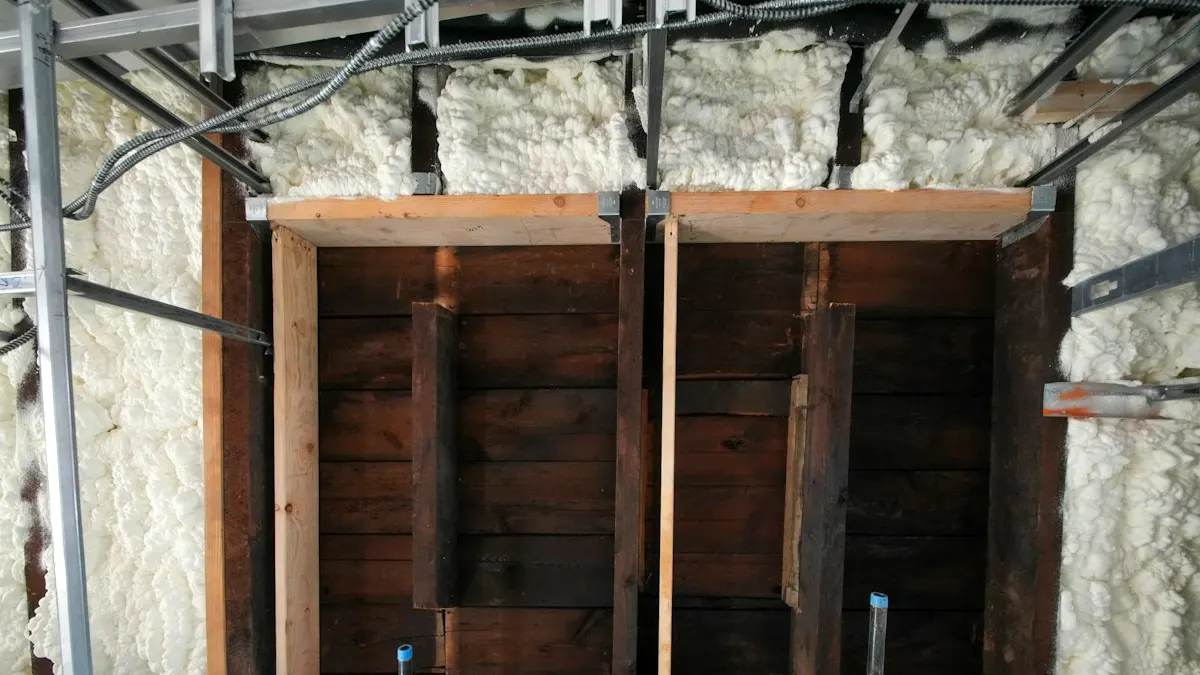
How encapsulation is installed
- Clean out. Debris, old plastic and wet or falling insulation are removed, and any mold on the framing is cleaned.
- Drainage. If water collects, a perimeter drain and sump pump go in first.
- Seal vents and openings. Foundation vents and gaps around pipes are closed so humid outside air stays out.
- Liner. A heavy reinforced liner covers the floor and runs up the foundation walls and piers, with every seam taped and the edges fastened and sealed.
- Insulation. Walls are often insulated with rigid foam instead of fiberglass between the floor joists, which tends to sag and hold moisture.
- Humidity control. A dehumidifier is installed and set, and we confirm readings before we leave.
Keeping it working
Encapsulation isn’t set-and-forget. Check the dehumidifier filter and drain a few times a year, look for any liner damage after plumbers or HVAC techs have been under the house, and keep gutters clear. A small humidity monitor in the crawl space lets you see the readings without crawling in.
Mold under the house
Mold on joists and subfloor is common in damp crawl spaces. It’s cleaned off before the liner goes in, so it isn’t sealed in place. If it has spread, see how mold remediation works.
Is crawl space encapsulation worth it?
If the crawl space is damp, musty or has had mold or water, usually yes: it protects the floor framing, stops the smell and makes the rooms above more comfortable. If the space is already dry with a good ground barrier and no smell, it may not need more than an inspection and some gutter work. We’ll tell you which one you have.
What affects a crawl space project
- Square footage and height of the crawl space
- Standing water or drainage work needed first
- Mold cleanup and insulation removal
- Floor support repairs
- Liner thickness and dehumidifier size
Crawl space FAQ
How long does encapsulation take?
Most crawl spaces take two to four days, longer if water removal, mold cleanup or floor support comes first.
Should crawl space vents be closed?
Only as part of a sealed, dehumidified system. Closing vents on a damp crawl space without controlling the humidity can make it worse.
Will it lower my energy bills?
Drier air is easier to cool, and the floors above feel less clammy, so many homeowners notice a difference. How much depends on the house.
Can I put plastic down myself?
A ground barrier is a reasonable DIY job in a dry crawl space. If there’s water, mold or sagging, fix those first.
Call and we’ll look at what’s going on underneath.